
Parrot Potty Training Tips: How to Quickly Toilet Train A Bird
How to Potty Train a Parrot: Tips for a Cleaner, Happier Home
One of the biggest challenges of owning a parrot is dealing with the mess they can create (How to potty train a parrot). Parrots naturally scatter food while eating, chew and destroy toys during playtime, and, of course, poop frequently throughout the day. While this is a normal part of parrot ownership, proper training and understanding your bird’s behavior can help make cleanup easier.
If you are considering parrots for sale, it is important to understand that parrots require patience, daily care, and proper training. Whether you have an African Grey, Amazon parrot, cockatoo, macaw, or another companion bird, learning your bird’s natural habits can make life together much easier.
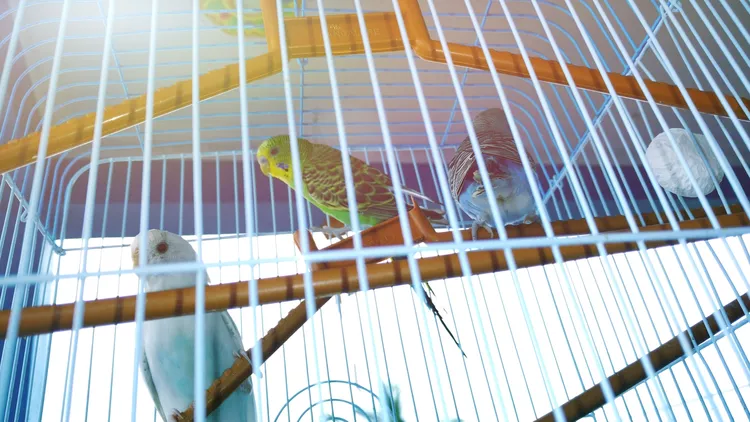
Can You Potty Train a Parrot?
Parrots can learn certain bathroom routines, but traditional potty training should be approached carefully. Some techniques attempt to teach a bird to defecate on command, but repeatedly encouraging a parrot to hold its droppings for extended periods can potentially be unhealthy.
A safer approach is to learn your parrot’s normal bathroom schedule and recognize the signs that it is about to poop. You can then gently move the bird to a designated perch, play stand, cage area, or other appropriate location.
This approach focuses more on potty training a parrot through routine and positive reinforcement rather than forcing the bird to hold its waste.
Knowing When Your Parrot Needs to Poop
Young birds may be easier to train because they are still developing their routines, although older parrots can also learn with patience and consistency.
Start by observing your bird closely. Keep track of how frequently it normally eliminates. The interval can vary considerably depending on the individual bird, its size, diet, activity level, and other factors.
During your observation period, look for behavioral changes that happen immediately before your parrot poops. Common signs may include:
- Becoming restless or anxious
- Moving around on its perch
- Climbing down from your shoulder
- Backing toward the edge of a perch
- Squatting or lowering its body
- Raising or slightly moving its tail
Learning these signals is one of the most useful parrot training tips because it allows you to redirect your bird before an accident happens.
How to Potty Train a Parrot
Once you understand your bird’s routine, you can begin establishing a consistent bathroom routine.
1. Pay Attention to Your Bird
The first step is observation. Determine approximately how often your parrot normally poops and watch for its individual warning signs.
Avoid relying entirely on a fixed schedule because your bird’s routine can change depending on meals, sleep, exercise, stress, and activity.
2. Choose a Designated Potty Area
Select a safe and easy-to-clean location where you would like your bird to eliminate. This could be a particular perch, play stand, or an area inside or near the cage.
The goal is to teach your parrot that this is the preferred place to poop rather than expecting it to hold its droppings until you give a command. settle-new-parrot-into-cage
3. Use Positive Reinforcement
When your parrot naturally poops in the designated area, immediately offer praise using a calm, consistent phrase. You can also provide an appropriate small reward if your bird responds well to treats.
Positive reinforcement can help your parrot associate the desired behavior with something pleasant.
4. Be Consistent
Repeat the same routine every day. Parrots learn through repetition, and consistency is especially important when teaching new behaviors.
Never punish, frighten, or physically force your bird for having an accident. Accidents are normal, and punishment can damage trust between you and your parrot.
Should You Teach a Parrot to Poop on Command?
Teaching a parrot to eliminate on command may sound convenient, but it is not necessary for good household management.
Rather than training your bird to hold its poop until you give a command, focus on recognizing its natural signals and providing appropriate places for it to eliminate.
This is particularly important because healthy parrots should not be encouraged to suppress normal bodily functions simply for convenience.
Managing Parrot Mess Beyond Potty Training
Potty training is only one part of keeping your home clean when you own a parrot. You can also reduce mess by placing washable mats underneath cages and play stands, using appropriate food bowls, and cleaning the bird’s living area regularly.
Toys are another major source of debris. Parrots naturally chew, shred, and destroy toys as part of their normal behavior. Providing safe, bird-appropriate toys can give your parrot an outlet for these natural activities while making cleanup more predictable.
If you are researching parrots for sale near me, remember that choosing a bird should involve more than appearance or price. Consider the species, expected lifespan, personality, noise level, diet, cage requirements, enrichment needs, and amount of daily interaction the bird requires.
Potty Training Different Parrot Species
Different species can have different personalities and learning styles. For example, African Grey parrots are highly intelligent and often enjoy learning routines and behaviors, but intelligence does not mean every bird will respond to training in exactly the same way.
If you are searching for an African Grey for sale, take time to learn about the species’ care requirements before bringing one home. The same principle applies when considering macaws for sale, cockatoos, Amazon parrots, cockatiels, conures, or other companion birds.
Every parrot is an individual. Training should therefore be based on patience, positive reinforcement, and an understanding of your specific bird’s behavior. pet-bird-behavior-problems
Final Thoughts
A completely mess-free home is unrealistic when you own a parrot. Eating, chewing, playing, and pooping are all normal parts of being a bird.
Instead of trying to eliminate these natural behaviors, focus on managing them. Learn your parrot’s bathroom routine, recognize its signals, provide designated areas, and reward appropriate behavior.
With patience and consistency, you can establish a routine that makes living with your feathered companion cleaner and more enjoyable—without compromising your bird’s natural needs or well-being.
