
Artificial Incubation of Parrot Eggs: A Practical Guide for Breeders
Artificial Incubation of Parrot Eggs: A Practical Guide for Breeders
Artificial incubation of parrot eggs can help breeders improve hatch rates, protect valuable eggs, and support healthy parrot chick development. When breeders control temperature, humidity, egg turning, and hygiene, they create a stable environment for developing embryos.
Parrot egg incubation requires patience and careful monitoring. However, breeders can achieve better results when they understand the needs of each egg and keep accurate records throughout the process.
This guide explains the main steps involved in incubating parrot eggs. It also covers useful equipment, common mistakes, and practical breeder tips.
Why Breeders Use Artificial Incubation
Many parrot breeders use artificial incubation to protect eggs that may not survive in the nest. Parent birds sometimes break eggs, leave the nest, or fail to brood properly. In these cases, an incubator can provide the stable conditions that the eggs need.
Artificial incubation may also encourage some pairs to lay another clutch. Breeders often remove eggs early in the breeding season, and some hens respond by producing more eggs. This method can increase production, but breeders should always protect the health and nutrition of the parent birds.
Breeders also use this method for rare parrots and conservation projects. Artificial incubation can help save eggs threatened by poor weather, nest damage, predators, or disease.
Choose the Right Incubator
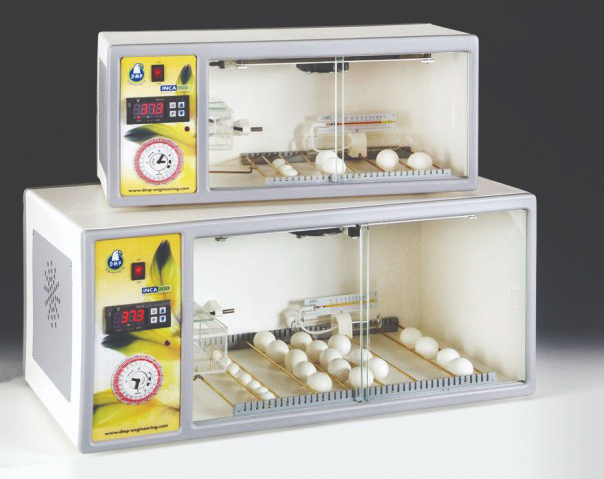
The incubator is the most important piece of equipment in parrot egg incubation. A good incubator keeps temperature and humidity stable and turns the eggs on a regular schedule.
Most breeders prefer a forced-air incubator or moving-air incubator. These models use a fan to circulate warm air. The airflow helps maintain a more even temperature throughout the cabinet.
Still-air incubators can work, but they require more careful monitoring. Temperature may vary inside the unit, especially near the heating element. For this reason, beginners often find forced-air incubators easier to manage.
Look for an incubator with:
Maintain the Correct Incubator Temperature
Temperature directly affects parrot embryo development. Low temperatures slow growth and delay hatching. High temperatures can dehydrate the embryo or cause serious development problems.
Many breeders use a target temperature of about 37.2°C (99°F) in a forced-air incubator. A practical working range is roughly 36.9°C to 37.9°C (98.4°F to 100.2°F), depending on the species and equipment.
The hatcher usually runs slightly cooler. Breeders often lower the temperature to around 36.4°C to 36.9°C (97.5°F to 98.5°F) during the final stage.
Check your thermometer regularly. A small temperature error can affect the entire incubation period. Use a calibrated digital thermometer whenever possible.
Control Humidity and Egg Weight Loss
Humidity controls how much moisture leaves the egg during incubation. Proper moisture loss helps the chick develop normally and hatch with enough strength.
Many healthy parrot eggs lose about 12% to 16% of their original weight before hatching. The exact amount may vary by species.
Breeders often keep incubator humidity between 40% and 60% relative humidity. The best level depends on the egg’s weight loss pattern. If the egg loses weight too quickly, increase humidity. If it loses too little, reduce humidity.
A hygrometer helps measure humidity. However, breeders should also weigh each egg every few days. Egg weight gives a clearer picture of moisture loss than humidity readings alone.
Turn the Eggs Regularly
Egg turning prevents the embryo from sticking to the inner membranes. It also supports healthy blood vessel growth and reduces the risk of poor chick positioning.
Automatic turning systems make this task easier. They move the eggs several times each day without handling them directly.
If you turn eggs by hand, follow a consistent schedule. Mark each egg lightly with a soft pencil so you can track its position. Avoid twisting or shaking the egg.
Many breeders turn eggs frequently during the first three-quarters of incubation. They usually stop turning once the chick prepares to hatch.
Candle the Eggs to Check Development
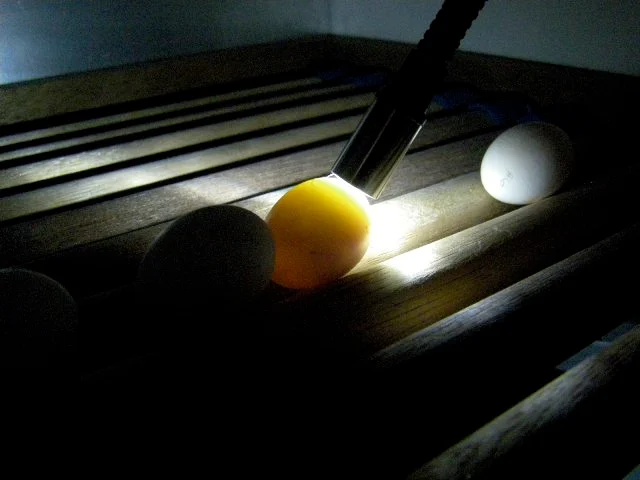
Egg candling helps breeders check fertility and monitor growth. A candling light shines through the shell and reveals blood vessels, the embryo, and the air cell.
Breeders often see early development within 4 to 7 days after incubation begins. Fertile eggs usually show reddish blood vessels and darker areas inside the shell.
Candle eggs in a dark room and handle them gently. Keep the process short so the eggs do not cool for too long.
As the embryo grows, the egg becomes darker. Later in incubation, movement near the air cell may indicate that the chick is still alive and active.
Keep the Incubator Clean
Good hygiene protects developing embryos from bacteria and fungi. Dirty eggs, contaminated trays, and unclean water containers can spread disease inside the incubator.
Clean the incubator between batches. Disinfect trays, turning rollers, and water pans. Replace water often and avoid leaving dirty equipment inside the cabinet.
If an egg has dried feces on the shell, clean it carefully. Avoid pushing dirt into the pores or damaging the outer shell surface.
Always wash your hands before handling eggs. Clean handling reduces the risk of contamination during parrot breeding.
Prepare Eggs for Incubation
Collect eggs with clean hands and record the date. Many breeders label each egg with a simple code that identifies the species, pair, and egg number.
Keep detailed incubation records. Write down:
These records help breeders compare successful and unsuccessful eggs. Over time, the information can reveal patterns that improve hatch rates.
Move Pipped Eggs to the Hatcher
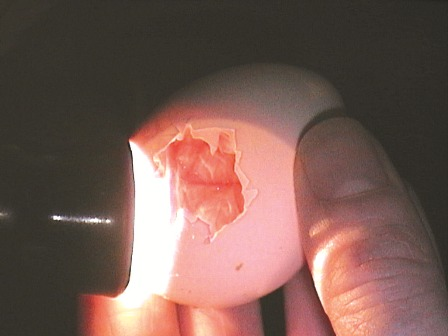
A pipped egg has a small hole where the chick has started breaking through the shell. At this stage, the egg needs higher humidity and slightly lower temperature.
Many breeders move pipped eggs to a separate hatcher. They often keep the hatcher at about 36.5°C to 36.9°C (97.7°F to 98.5°F) with humidity above 70%.
Higher humidity helps prevent the membranes from drying around the chick. It also supports a smoother hatch.
Most chicks hatch within one to three days after the first pip. Avoid opening the hatcher too often during this period. Frequent opening can lower humidity and make hatching more difficult.
Common Reasons Parrot Eggs Fail to Hatch
Parrot eggs can fail for many reasons. Some problems start before the egg enters the incubator, while others develop during incubation.
Common causes include:
Breeders should examine each stage of the process when a hatch fails. Careful troubleshooting can prevent the same problem from happening again.
Support Healthy Parent Birds
Healthy parent birds produce stronger eggs. Breeding parrots need a balanced diet with enough protein, vitamins, minerals, and calcium.
Calcium supports eggshell formation and also helps the chick during hatching. Vitamin and mineral deficiencies can reduce fertility, weaken embryos, or lower hatch rates.
Offer a high-quality breeding diet. If the birds eat mostly seeds, consider a suitable vitamin and mineral supplement. Breeding pellets can also help provide balanced nutrition.
Good nutrition supports both egg quality and successful parrot breeding.
When to Assist a Hatching Chick
Breeders should avoid helping too early. A chick may need time to absorb the yolk and blood from the membranes before leaving the shell. Early assistance can cause bleeding or death.
If a chick has pipped but shows no progress after several days, experienced breeders may provide careful assistance. They usually check for dry membranes, blood vessels, and an unabsorbed yolk sac before doing anything.
Never rush this process. Natural hatching remains the safest option when incubation conditions are correct.
Final Thoughts
Artificial incubation of parrot eggs combines careful observation with reliable equipment. Breeders who control temperature, humidity, egg turning, hygiene, and record keeping can improve their hatch success over time.
Every parrot species may respond differently, so breeders should monitor each egg rather than rely on a single fixed setting. Egg weight loss, candling results, and hatch timing provide valuable clues about the correct conditions.
With patience and consistent care, parrot egg incubation can become a rewarding part of aviculture. It can help breeders protect valuable eggs, produce healthy chicks, and support responsible parrot breeding programs.
Source: This article is based on the uploaded materials discussing artificial incubation, egg collection, sanitation, temperature, humidity, turning, weight loss, and hatching practices for parrot eggs.
