
Blue Indian Ringneck Available Now 22/06/2026
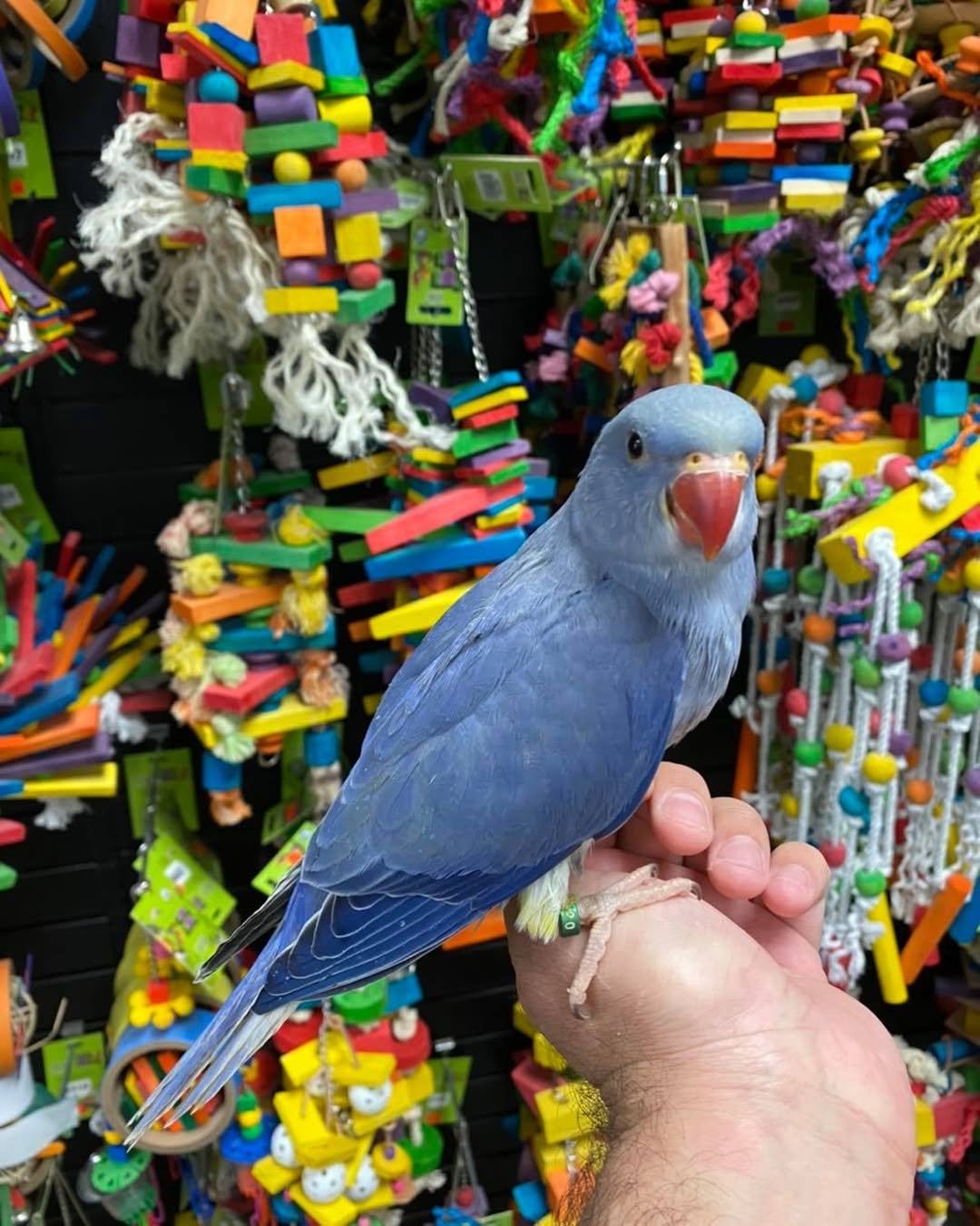
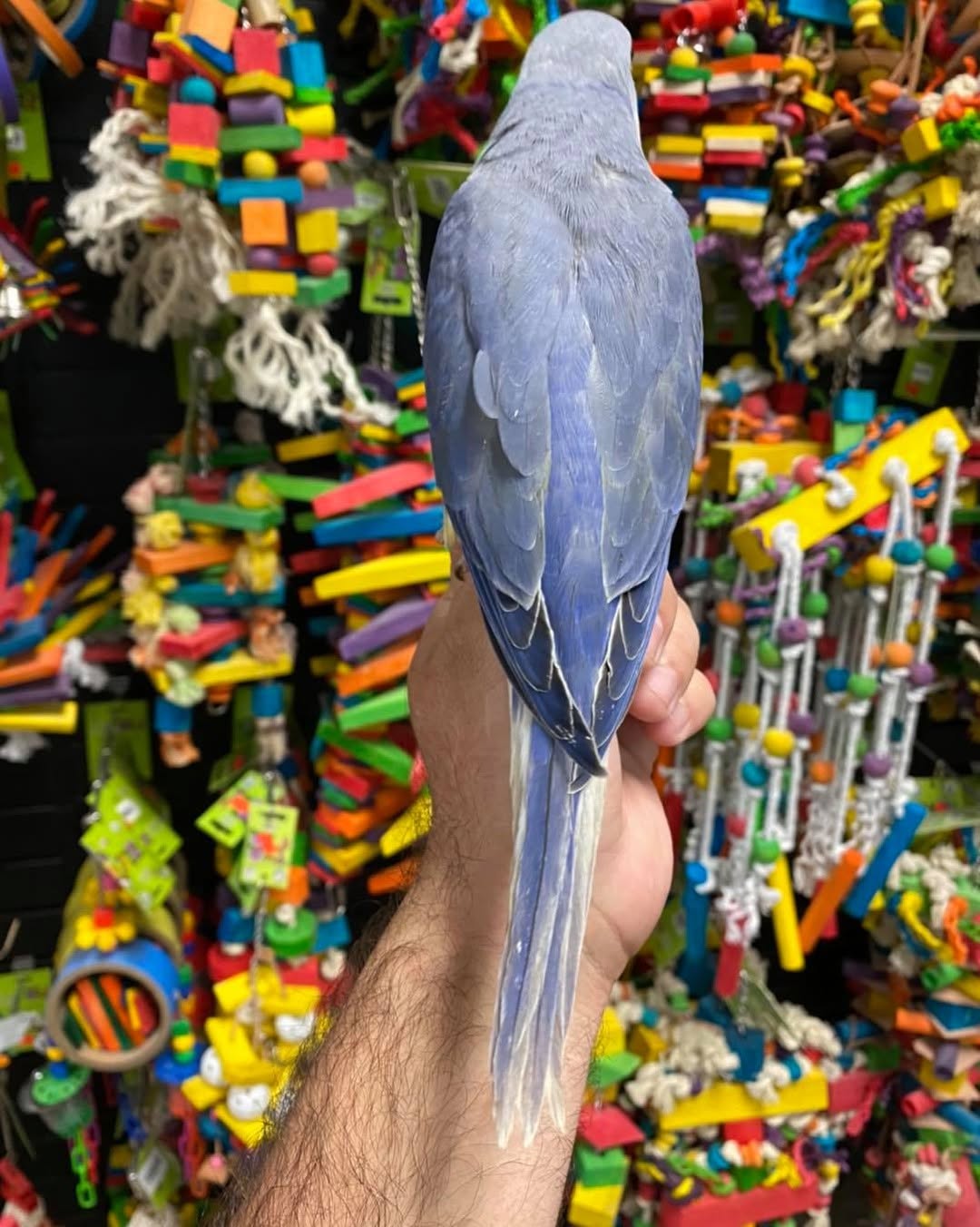
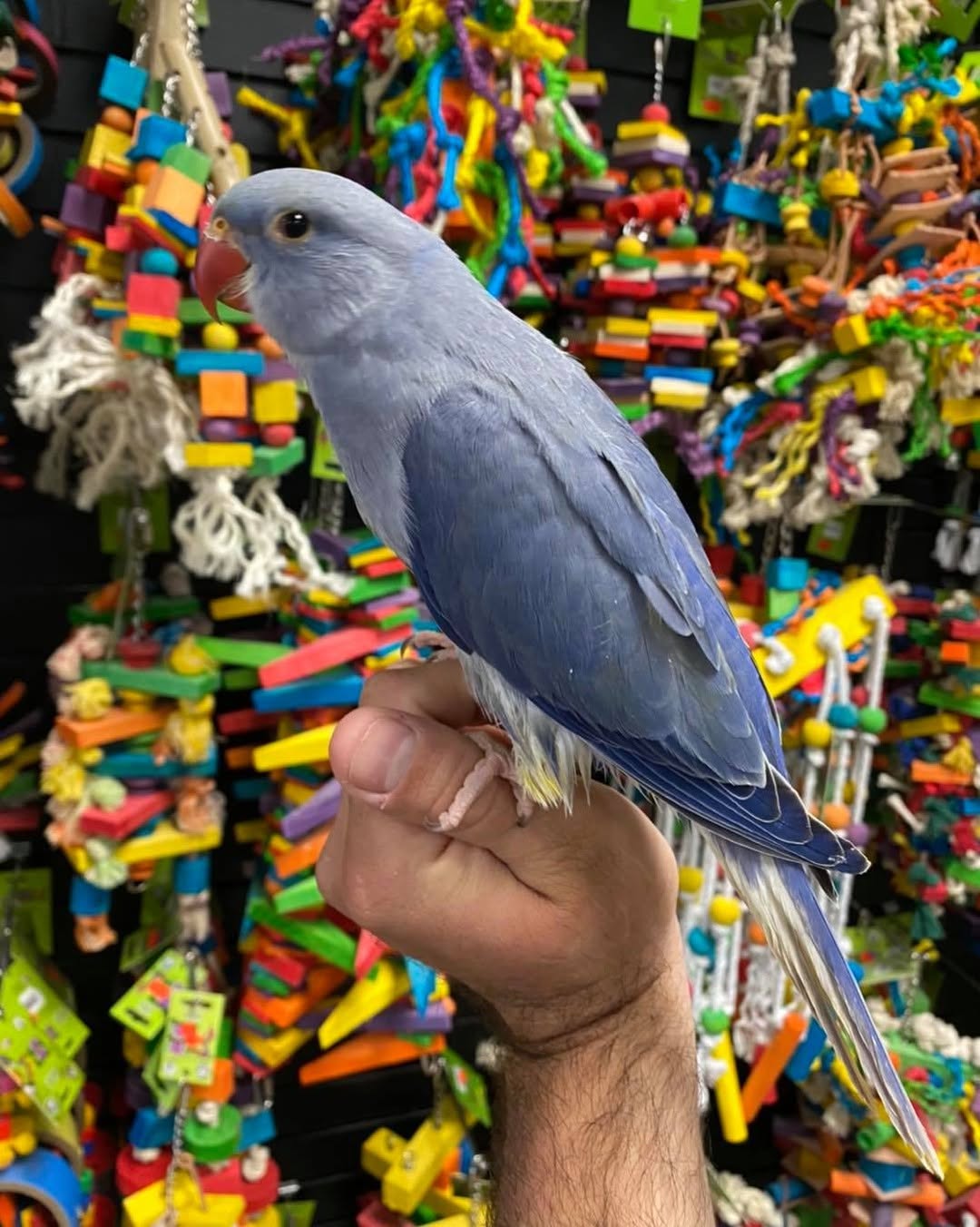
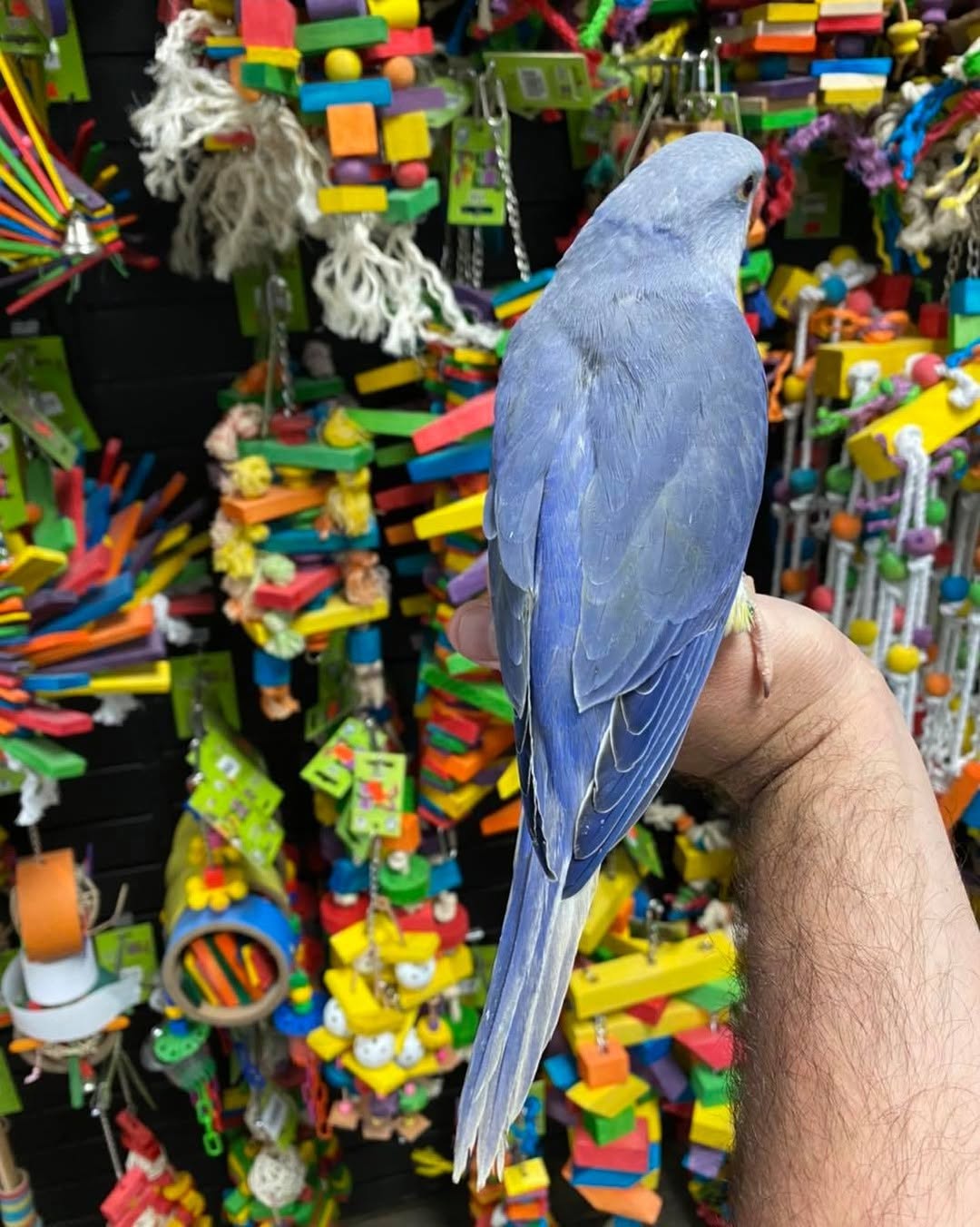
Product Description: Blue indian ringneck parrot for sale
Indian ringneck for sale usa available, aged 5 months. the bird is DNA tested, fully health checked, and come with a vet certificate for peace of mind.
He is hand-reared from a young age, which makes them very friendly, tame, and comfortable around people. In fact, the bird interact well with both adults and children and quickly bond with their owners.
In addition, the parrots love attention and enjoy being held and played with. As a result, he will make an excellent companion bird for both beginners and experienced bird owners.
The bird is well-socialized, active, and used to a home environment. If you’re looking for a playful, intelligent, and affectionate pet, this Ringneck parrot is a perfect choice. 5 fun facts about indian ringneck parrot
Indian Ringneck for sale
The rose-ringed parakeet , also known as the ring-necked parakeet, is a medium-sized parrot in the genus Psittacula.
The normal coloration of the male Indian Ringneck is a general green with its lower abdomen area being lighter and the back of the head has a bluish tint. A black ring that runs thought the chin and along the cheek. There it blends into a pink collar with some blue on the nape. The central tail feathers are bluish, tipped with a yellow green, and the outer tail feathers are green. The upper mandible of the beak is a red-orange and the lower mandible is black. Through domestic breeding, there is a large variety of color variations, or mutations available.
The female and immature male has no black ring, pink collar, or blue tint on the back of the head.The young reach their adult plumage after their second full molt, at about 3 years of age. These birds grow to a length of 16″ (40 cm). indian ringneck for sale usa
Care and Feeding
Fresh food and water must be provided daily.
In the wild, Indian Ringneck parrots eat a variety of seeds, berries, fruits, nuts, blossoms, and nectar. In addition to these foods, you can offer them vegetables and commercial pellets.
They also enjoy the same nutritional foods humans eat, including cooked chicken ,Cooked beans, rice, and grains are also enjoyed, but soft foods like these will spoil in about 4 hours. An occasional millet spray is a nice treat.
If you notice any aggressive behavior, it’s best to avoid scolding as the bird can develop a lifetime fear of people. The best way to handle this bird is to ignore bad behavior and use positive reinforcement for good behavior.
The cage for this bird needs to be larger than you might expect. It should accommodate its long tail and let the bird hop around and play when you’re not around.
Make sure the bar spacing for an indian ringneck for sale nearme isn’t large enough for them to get stuck in or escape through; the ideal size is 1/2-inch to 5/8-inch spacing.
Maintaining Indian Ringneck
The basic cage care includes daily cleaning of the water and food dishes. Weekly you should wash all the perches and dirty toys, and the floor should be washed about every other week. A total hosing down and disinfecting of an aviary should be done yearly, replacing anything that needs to be freshened, such as old dishes, toys and perches.
indian ringneck parakeet for sale az
Social Behaviors
In the wild, these birds live in flocks and are very social. They have a pleasant nature but will develop a screaming habit if teased.
Indian ring-necked parakeets can make sweet, tame pets but will not remain so if neglected. If played with every single day, these birds can be loving, loyal companions. If neglected, you can have a biter on your hands. These might not be the best birds for children, as ring necks tend to be sensitive to commotion, including night frights (thrashing around the cage during the night as if startled). Rose ringed parakeet for sale are not shy birds, and will do best with an owner who appreciates an outgoing companion that is not afraid to demand what it wants!
Handling/Training
The Indian Ringneck Parakeet is smart! Besides learning to talk, these Indian Ringneck are known to be great at learning tricks. Some have been taught to string beads on a rope, twirl sticks about their head, ring a bell, and pick up selected objects.
